
ANATOMY OF A CHAIR
A Closer Look at the Circle & Wire Collections.
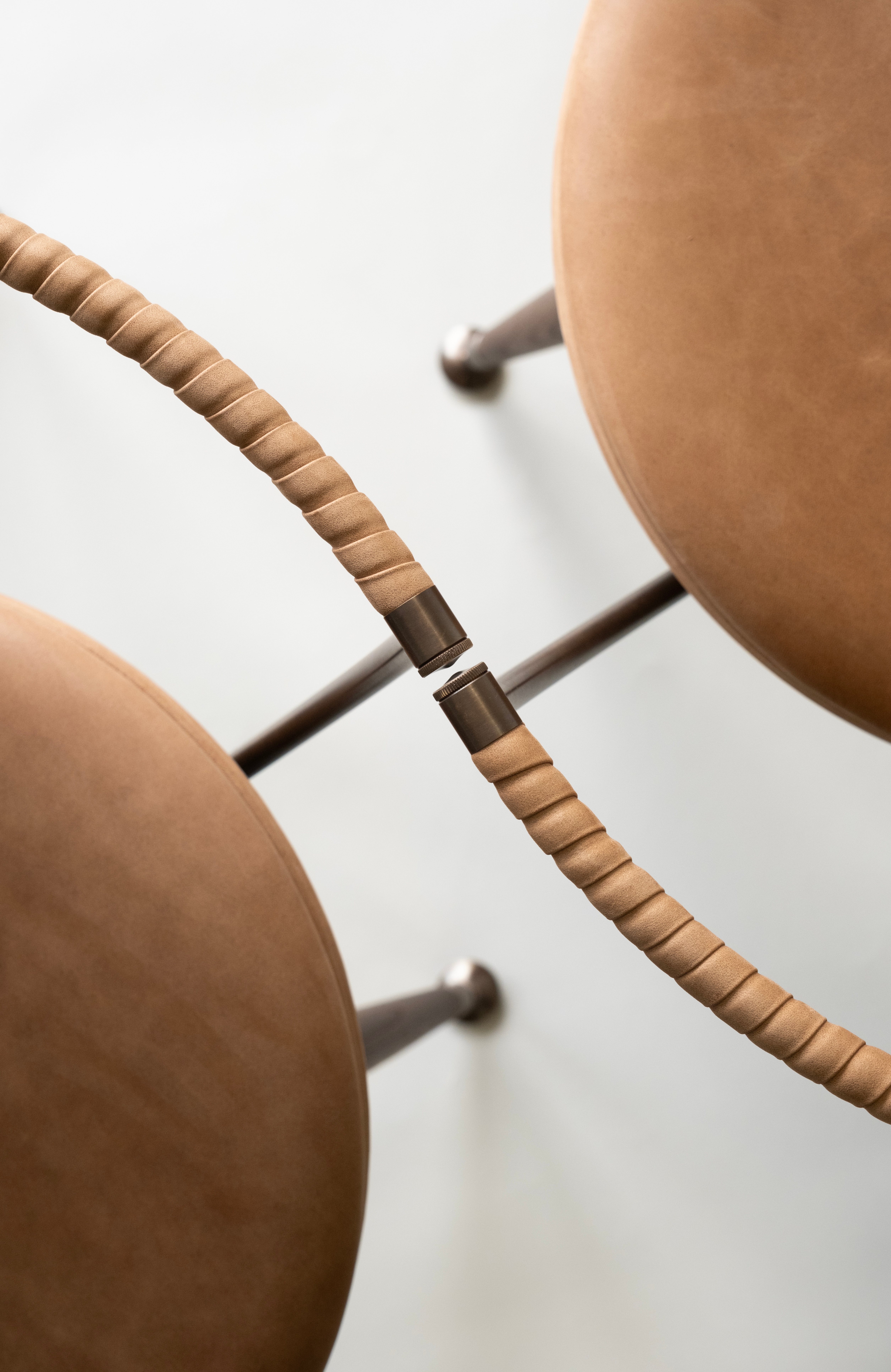
Balance Matters
To us, a chair — and good design in general — should feel balanced. You can tilt a product toward function or toward aesthetics: some pieces become primarily practical, others more like art. We aim for a thoughtful balance.
The anatomy of a chair is especially interesting because so many parameters must be met. At its core, a chair must be sit-able. Comfort matters too, so ergonomics is important: users vary in size and shape, and a good design finds the right compromise.
Durability is equally essential, both structurally and in material choice. Structurally, a chair must support the body in the right places. Materially, it should not only last but be sustainable in a broader sense so it remains relevant over time. The same demands that apply to the whole chair also extend to its individual details.
Junctions and Material Transitions
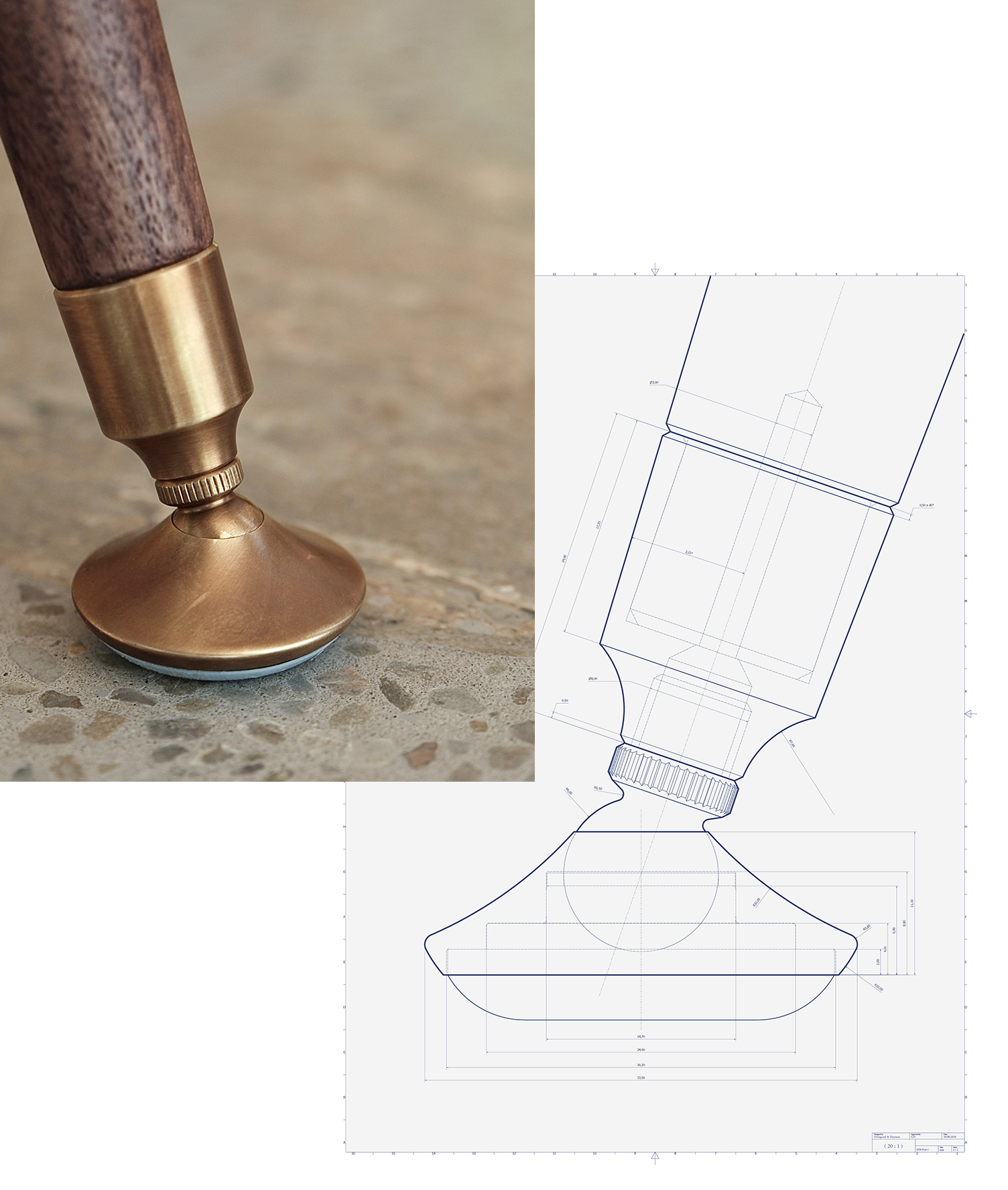
Using the Circle Collection as an example, some details stand out. The chair’s feet are one element we’ve focused on intensely. Visually they shape the chair’s character: the slender “ankles” give an elegant profile and become a clear signature. By adding a small ball joint at the foot, we prevent the ankles from snapping and create a broad contact area with the floor—necessary to avoid marks or excess friction—without making the chair look clumsy.
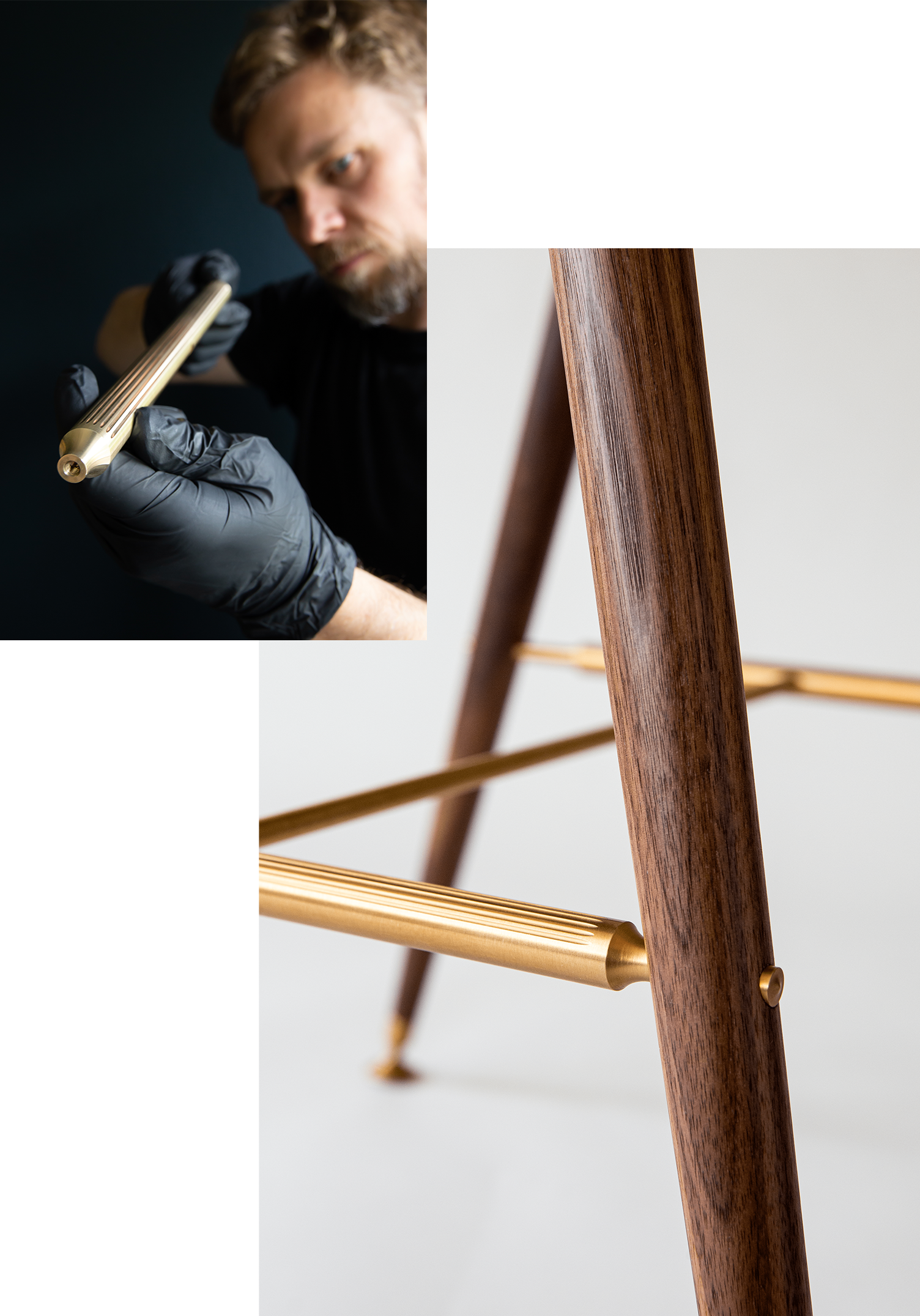
Another example is the footrest on the Circle Bar Stool and Bar Chair. Some details aren’t obvious at first glance but are carefully considered both functionally and visually. The grooves in the footrest provide basic grip to keep feet from slipping. Their placement, depth, and size are precisely calibrated to deliver adequate friction without collecting too much dirt from shoe soles. We also pay attention to how a groove ends; it creates production considerations, but ultimately, it’s these choices that lift a piece of furniture to a level you won’t find everywhere.
Similar thinking appears in the Wire Collection.
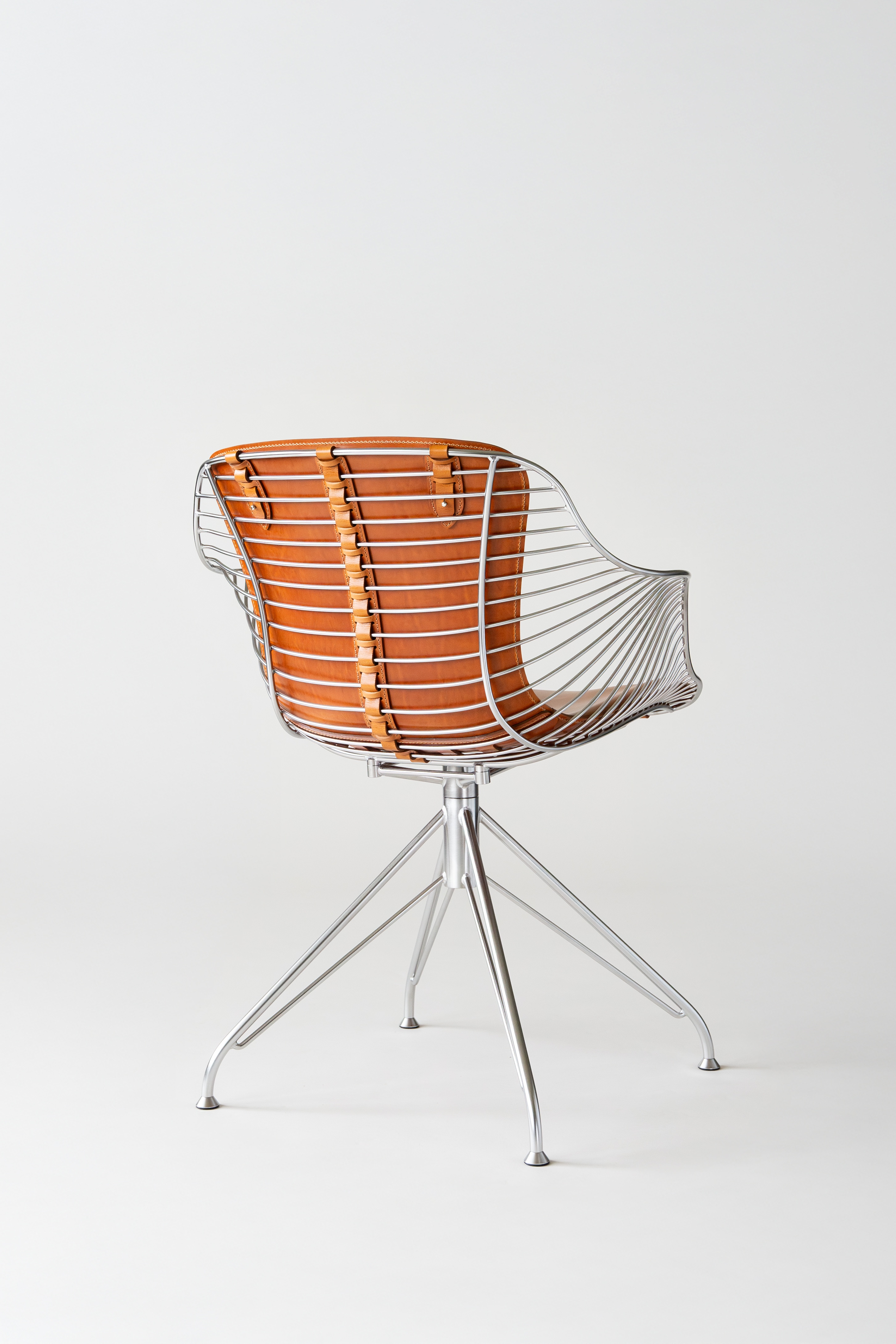
These pieces can be seen as two parts: a lower frame that structurally supports an upper section made in a more organic form and an upholstery part that provides comfort where the piece meets the body.
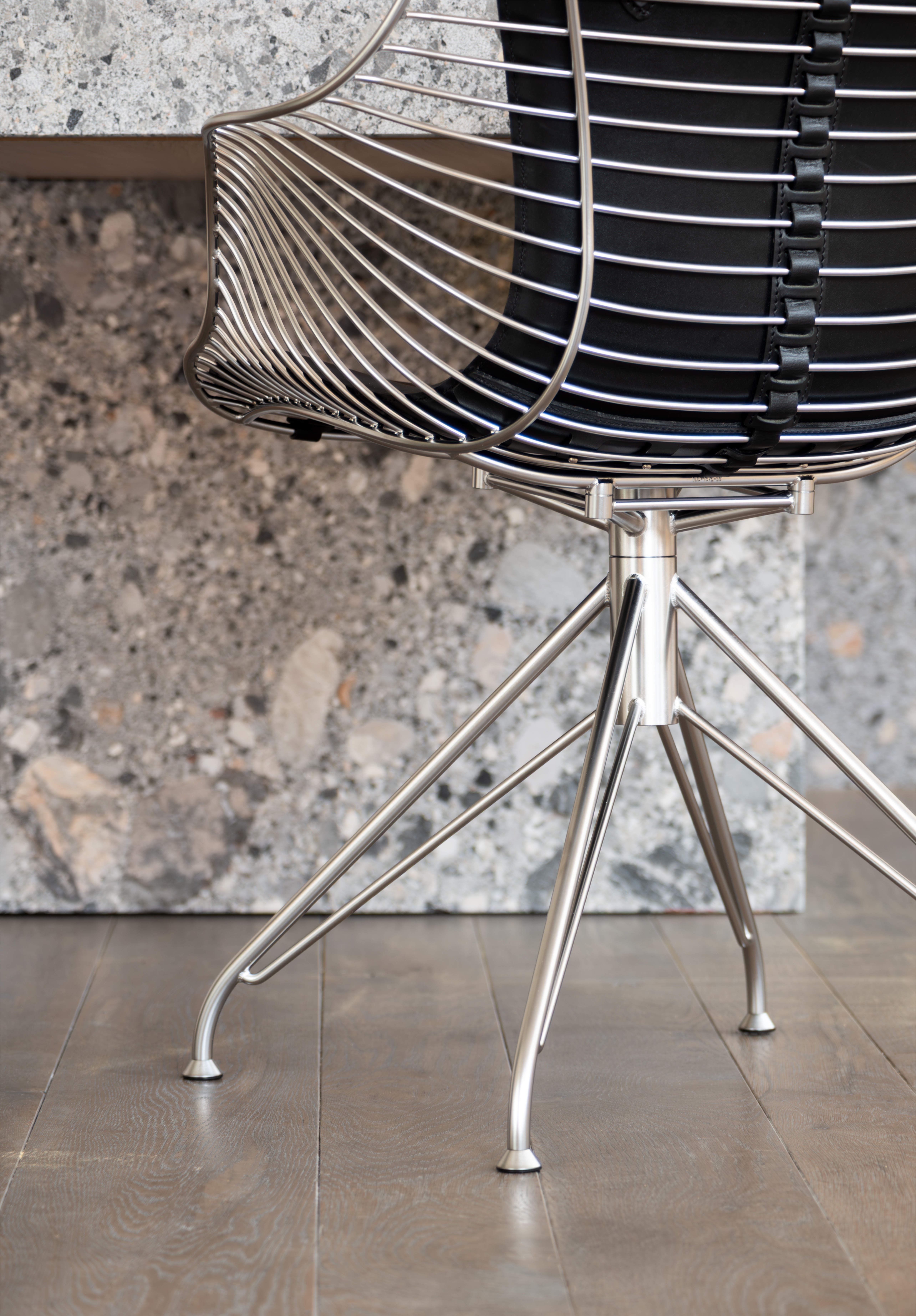
The lower frame is structurally optimized using tension-compression principles: rods that take compression are dimensioned larger than those that take tension and can therefore be much thinner. By connecting wire threads into triangular formations, we achieve a strong structure—an approach used in bridges and towers to create a lightweight yet durable construction.
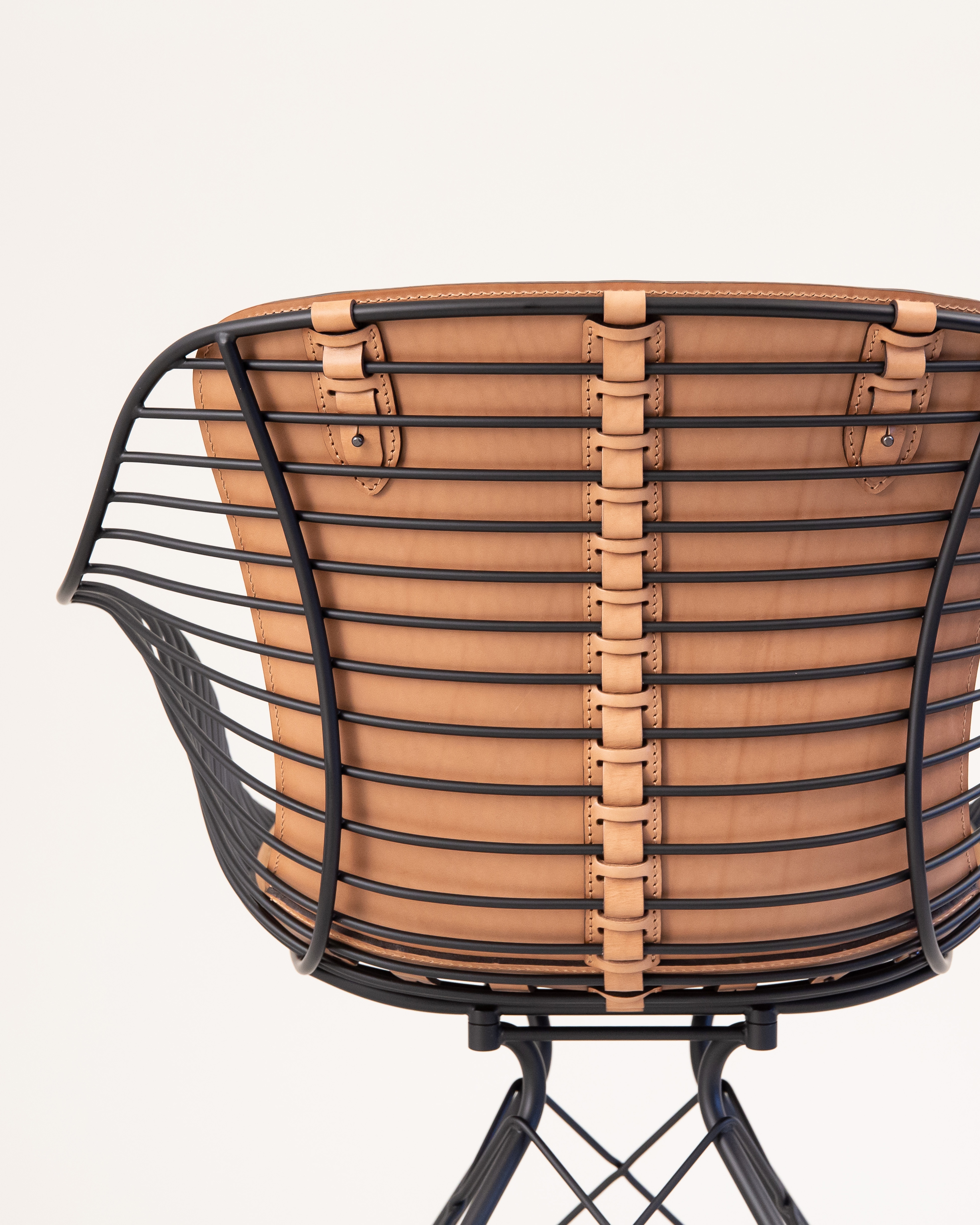
“When the Wire Chair was finalized, ergonomics were so prioritized that the launch was delayed by a month. Jasper had sat in the chair most of the day to test it and felt one of the wire rails through the padding — specifically the third rail from the top. That rail was redesigned and a new set of steel wires went into production.”
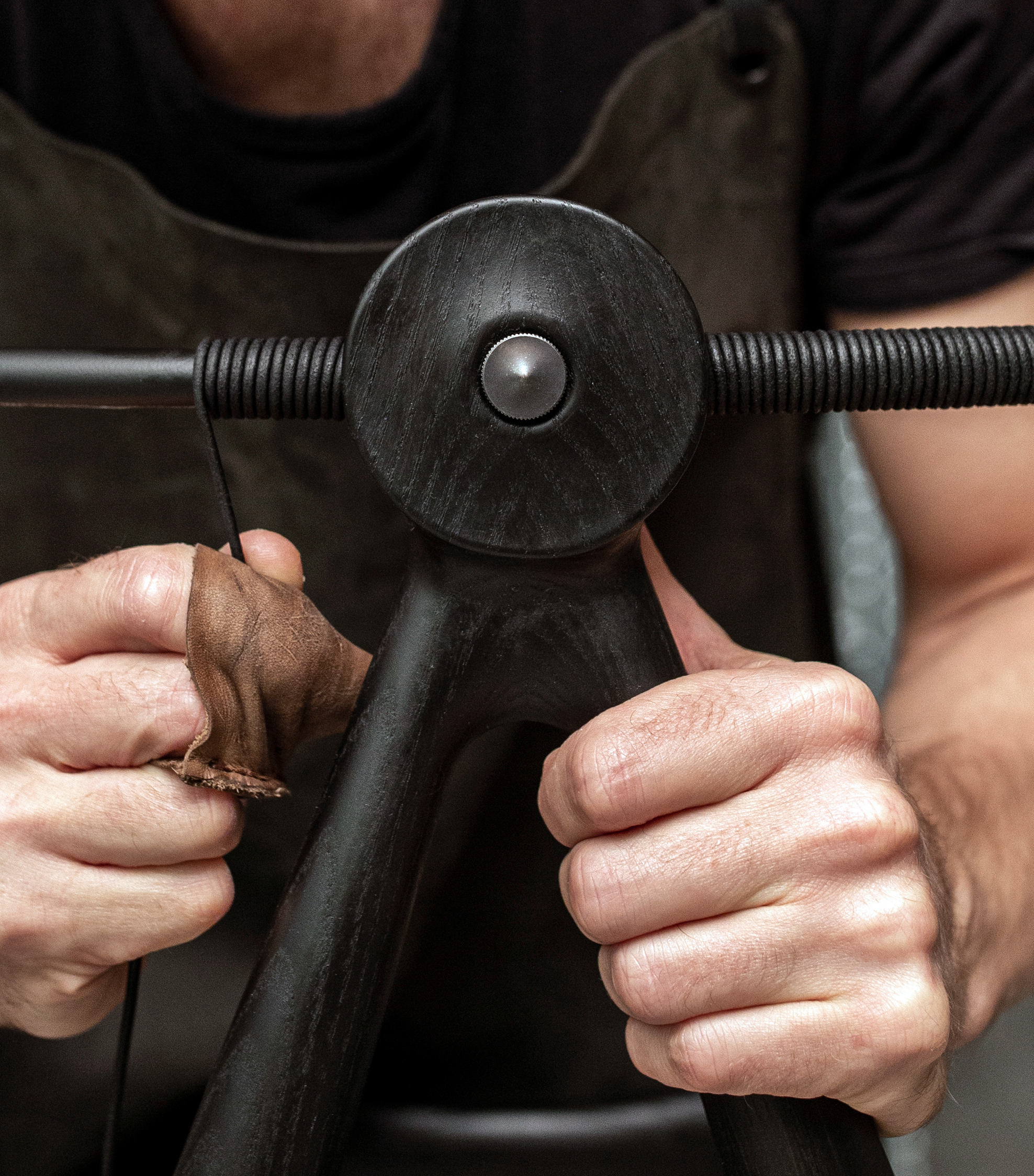
The meeting between the leather upholstery and the load-bearing, organically shaped steel seat is both a technical and visual focal point in the Wire range.
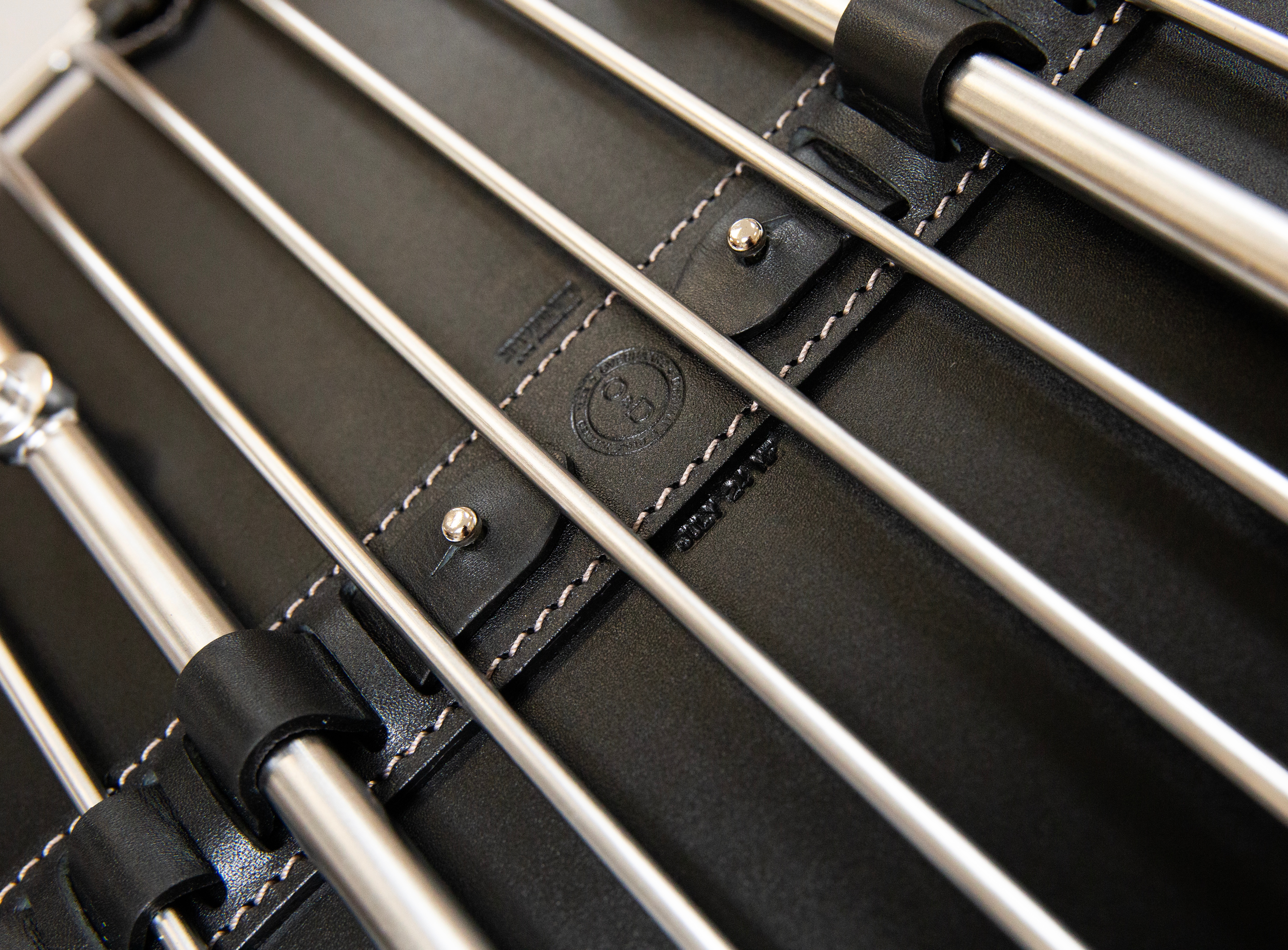
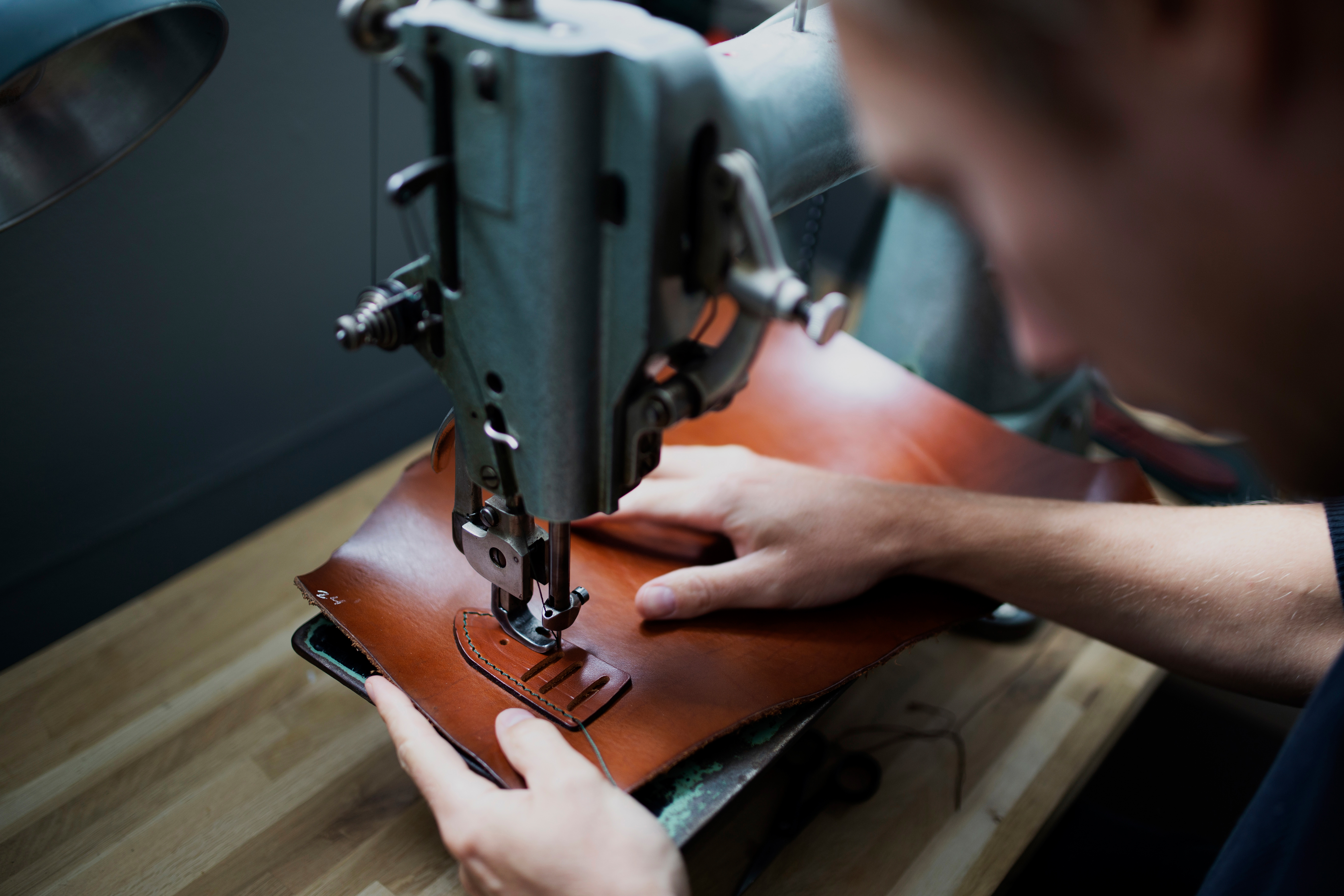
Leather straps made from tooling leather—the kind used in saddlery—secure the upholstery firmly to the steel seat. Viewed from behind, these straps form the chair’s spine, both functionally and visually.